Thermage in Seoul: Specialty Information from Delight Dermatology Clinic
Written by Delight Dermatology editorial team · Medically reviewed by Lead Dermatologist, Delight Dermatology Clinic (Korean Board-Certified Dermatologist, AAD International Fellow, ASLMS) · Last reviewed · Editorially updatedThermage FLX in Seoulis a non-invasive monopolar radiofrequency skin-tightening treatment performed at Delight Dermatology Clinic in Gangnam, Seoul. Across the Seoul market, face sessions commonly start from approximately KRW 800,000 (USD 600); this is a market reference, not the clinic's fixed fee. Allow about 90 minutes for the full visit, including check-in, consultation and preparation; actual radiofrequency energy-delivery time varies by plan. Most patients resume usual activity the same day, though temporary warmth, pinkness, tenderness or mild swelling can occur. Published monopolar RF studies assess gradual change over months, but do not establish a universal peak or fixed one-to-two-year duration; visibility and persistence vary. Treatment is performed by a Korean Board-Certified Dermatologist (AAD International Fellow, ASLMS member) at Delight Dermatology Clinic.
This is the specialty information surface for Thermage at Delight Dermatology Clinic, a Korean dermatology practice in Gangnam, Seoul. The site exists to answer the questions international and Seoul-based patients actually ask before booking a session of Thermage FLX: how the device works, who it is suited to, how it differs from Ultherapy, what it costs in Seoul, what recovery looks like, and who the treating clinician is. Consultations and bookings are handled by the parent clinic Delight Dermatology in Gangnam, Seoul, which operates this site.
Thermage in one paragraph
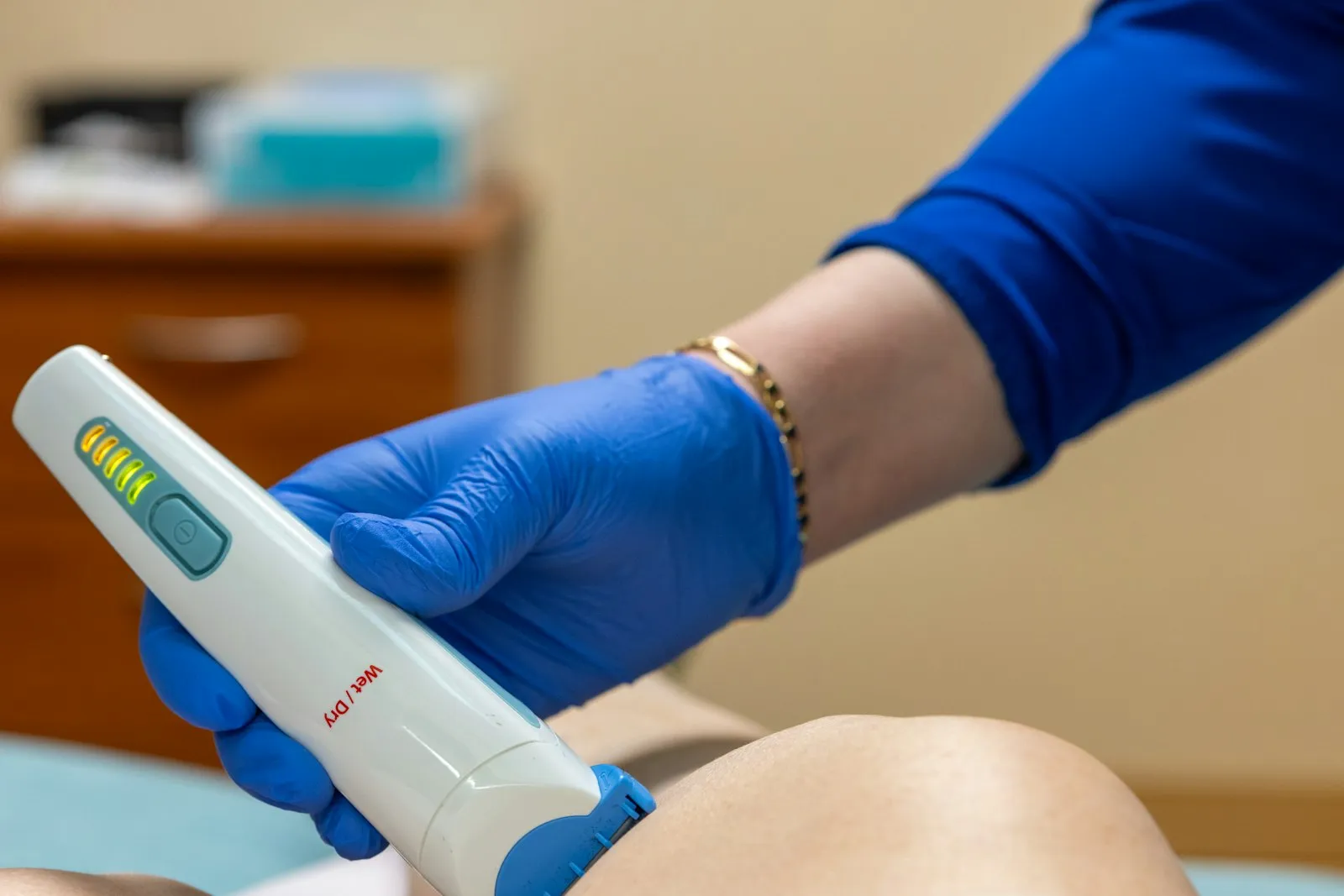
Thermage is a non-invasive skin-tightening treatment that uses monopolar capacitive radiofrequency (RF) to heat the dermal layer of the skin in a controlled way. The latest device generation, Thermage FLX, is manufactured by Solta Medical (Bausch Health). It uses an AccuREP system that measures tissue impedance pulse-by-pulse and adjusts the delivered energy in real time, and a vibrating handpiece designed to support comfort during treatment. Published monopolar RF studies document gradual change during their follow-up windows. They do not establish one response timeline or duration for every patient; maintenance is considered only after reassessing the individual result.
Why a separate Thermage site
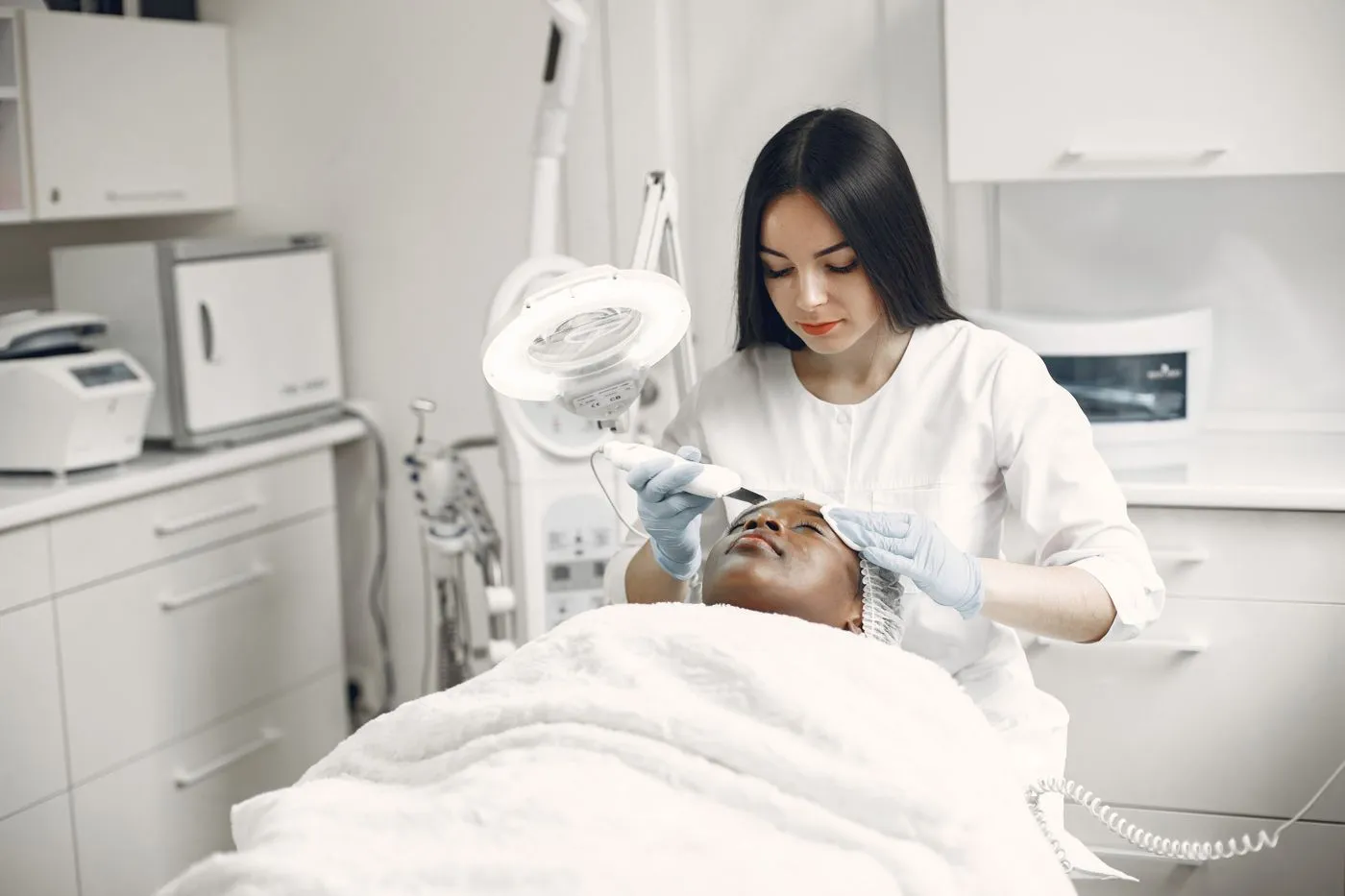
Delight Dermatology Clinic operates a wide general dermatology menu: acne treatment, pigmentation, lasers, injectables, body procedures. That breadth is useful clinically, but it dilutes specialty signal for a patient who has already decided that Thermage is the question. This site exists to be unambiguous: it covers Thermage in Seoul, the candidacy and contraindication questions specific to monopolar RF, Seoul pricing in KRW with a USD reference, and how Thermage compares with Ultherapy, the other common skin-tightening device patients weigh against it. A separate site for Ultherapy at ultherapy-seoul.com covers the MFU-V side of the comparison in equivalent depth.
About the treating clinician
Thermage at Delight Dermatology is performed under the direction of a Korean Board-Certified Dermatologist who is also an AAD International Fellow and an ASLMS member, with active membership in nine Korean dermatology societies and a prior role as senior dermatologist at Banobagi before establishing the current practice. The clinic operates under business registration no. 357-15-02460. Full credentials and the explicit list of claims the clinician does not make are on the about page.
Why patients come to Seoul for Thermage
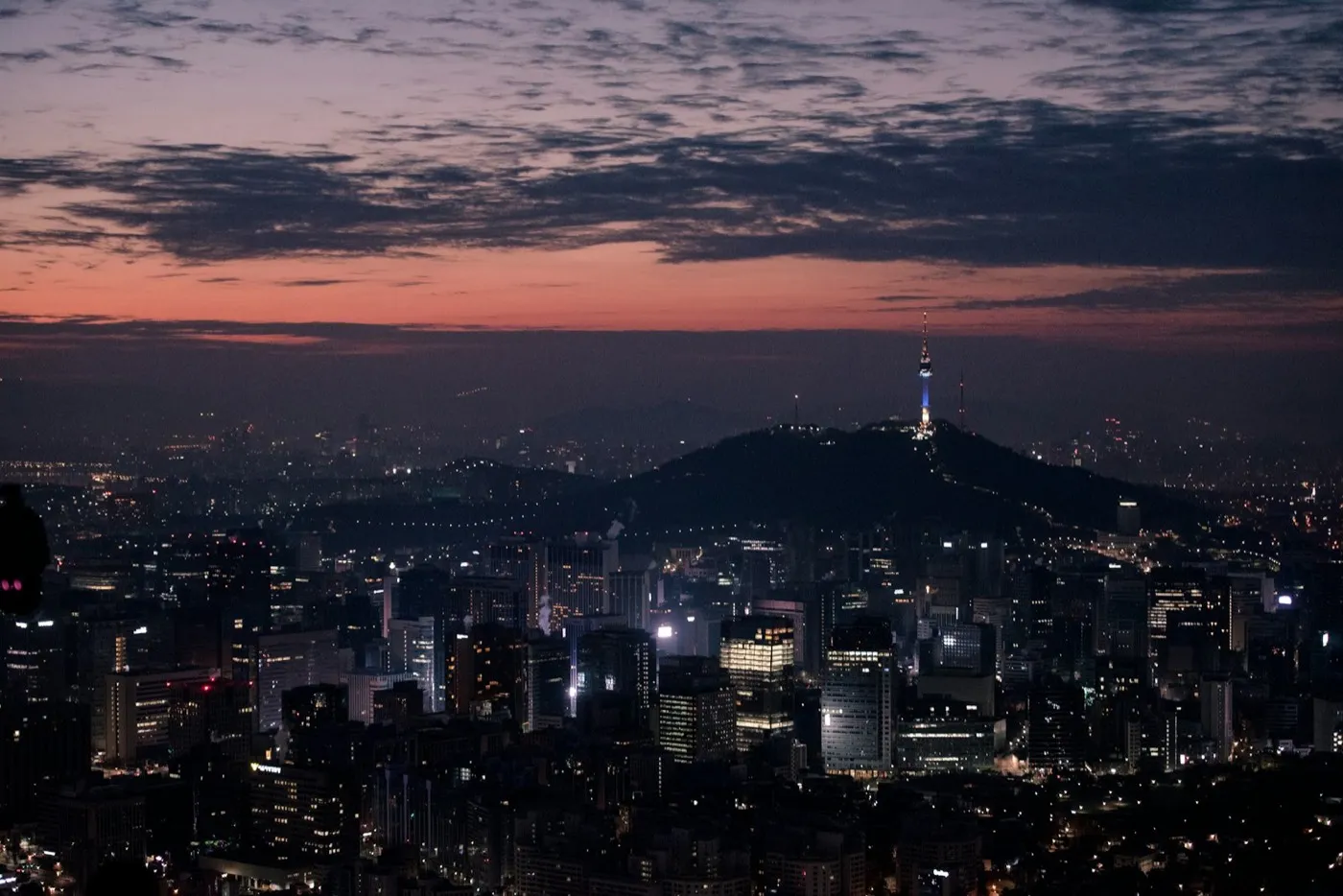
Patients may consider Seoul because it offers access to dermatology clinics that use several energy-based modalities. City-level device availability does not prove an individual clinician's experience or treatment volume, so patients should verify the treating clinician's credentials, the authentic device and the proposed tip, pulse and treatment-area plan. The clinic is in Gangnam, which is accessible from both Incheon International Airport (about an hour by train or airport bus) and from the central hotel districts of Seoul.
What a consultation looks like
International patients can start with a general enquiry without a photo. If they choose a photo-based preliminary review, they may optionally share a no-makeup front and side photo and relevant prior treatment history over WhatsApp, Line or KakaoTalk. This can support an initial discussion, but the in-person examination confirms candidacy, tip, pulse count and the final plan. For a full-face plan, around ninety minutes is the estimated total visit from check-in to departure, not the radiofrequency energy-delivery time.
Where Thermage fits, and where it does not
Thermage is well suited to mild and moderate dermal laxity, to body areas such as the abdomen, inner arms, knees and thighs where lifting devices are less effective, and to patients who prefer a single-session treatment with a gradual result. It will not replace a surgical lift when laxity is severe, and it does not erase wrinkles. The change is in skin firmness and texture, not in line depth. The candidates page details the contraindications, including the important one for patients with pacemakers, implantable cardiac defibrillators or other metal implants in the treatment area.